Clear Water, Clear Thinking: Designing an Offsite That Uses the Waterfront Properly

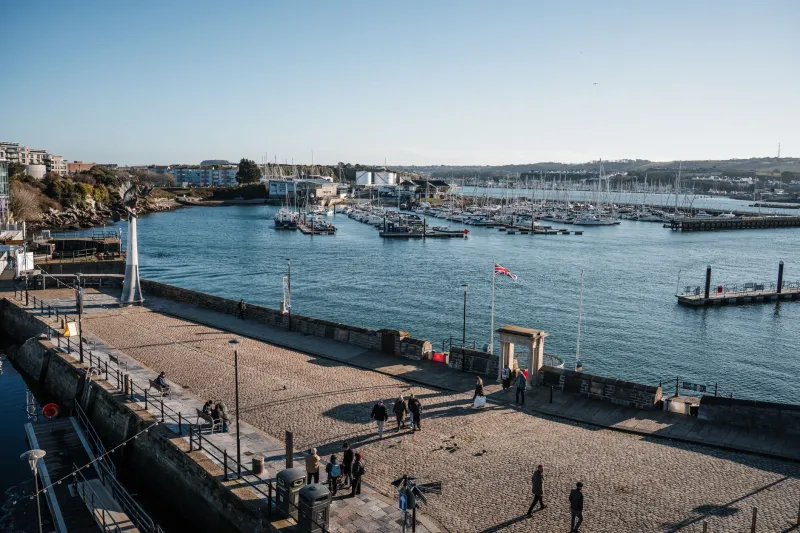
Most organisers have sat in a windowless city-centre room at some point in their careers. The air is stale, the lighting is flat, and the only clue that a day has passed is the clock on the wall. The meeting may still be productive, but it has to work harder for every hour of attention. A waterfront venue offers a different starting point. The case for booking one is not simply aesthetic. A growing body of environmental psychology suggests that natural settings — and blue space in particular — can support attention restoration and stress reduction. For organisers of strategy days and corporate offsites, the practical question is how to turn that potential into a better-run meeting rather than a pleasant view that nobody uses.
Why the setting matters before the first session
Attention restoration theory proposes that natural environments engage a softer, more effortless form of attention, allowing directed attention — the kind required for sustained problem-solving and listening — to recover. Blue-space research adds a further dimension: proximity to water has been associated with lower stress and improved mood in a range of studies. It would be wrong to present a harbour view as a cure for poor facilitation or an unclear agenda. The evidence is best read as a prompt. A waterside room can help if the day is designed to make use of it; it can be wasted if delegates are sealed in for eight hours with the blinds down.
That distinction matters in the UK, where many waterfront venues sit within easy reach of city-centre transport but still feel removed from the usual corporate circuit. The benefit is not the water itself. It is the combination of natural light, a sense of space, and the possibility of short, purposeful breaks outside the meeting room. Those are the ingredients an organiser can plan around.
From evidence to agenda: a waterside day that earns its view
Arrival and orientation
Build in a fifteen-minute buffer before the first session. A rushed arrival erodes the advantage of the setting. Give delegates time to settle, find the room, and look out of the window before the agenda begins. If the venue has a sheltered terrace or quayside path, use it as an informal registration point when weather allows. The aim is not a team-building stunt. It is a calmer start.
Quayside 1:1s
A short walking 1:1 is one of the simplest ways to use a waterfront location. Pair delegates for a ten- to fifteen-minute walk along a safe, accessible route, with two or three structured prompts: what decision do you need from today, what is blocking progress, and what support would help. Walking side by side can reduce the intensity of a formal appraisal conversation, and the change of scene gives both parties a natural break before the next block. Check the route in advance for surface, lighting, steps and road crossings.
Waterside breakouts
If the venue has smaller rooms with water views, allocate them to the groups that need the most creative or difficult discussion. Natural light is generally welcome, but glare is not. Ask whether each breakout room has blinds or blackout, and test the screen from the back of the room. A room that looks bright and inviting on a site visit can be unusable for a laptop presentation at 3pm in winter.
Natural-light planning
In the UK, daylight is a seasonal resource. Between November and February, schedule the most demanding collaborative work for the middle of the day and keep late-afternoon sessions shorter or more interactive. If the room has large windows, plan the layout so that no delegate is facing directly into the light. If it does not have effective blackout, avoid relying on projected detail after dusk.
Afternoon reset
A short outdoor break is valuable, but it should not be compulsory or weather-dependent. Offer a sheltered option — a covered walkway, a balcony, or a nearby arcade — and a indoor alternative. The point is to give delegates a genuine change of posture and attention, not to stage a photograph.
The UK checklist: make the benefit survive contact with reality
- AV and acoustics: Confirm screen size, HDMI and USB-C connectivity, microphone coverage, hearing-loop provision and technical support. Waterfront buildings can have unusual room shapes; ask for a site visit or a test call.
- Glare and blackout: Check every room at the time of day you will use it. Ask specifically about blinds, curtains and screen placement.
- Accessibility: Confirm step-free access, lift dimensions, accessible toilets, parking and the route from the nearest transport stop. A quayside path may be scenic but unsuitable for some delegates.
- Weather and shelter: Ask what covered outdoor space is available and whether it is accessible in rain or wind. Do not assume a terrace will be usable in December.
- Heating and ventilation: Large glazed rooms can be warm in sun and cold in wind. Ask about heating zones, ventilation and whether the room can be adjusted during the day.
- Transport: Check the real journey from the nearest station, including walking time and taxi availability. A waterfront setting can add ten minutes that the agenda has not allowed for.
- Budget: Clarify room-hire inclusions, minimum catering spend, AV technician costs and any charge for outdoor space. Off-season dates can offer value, but only if the contract is clear.
- Cancellation terms: Winter weather can affect travel. Ask about postponement, force majeure and transfer-to-another-date options before signing.
- Room orientation: Ask which direction the main windows face and where the sun will be at your session times. This is a practical question, not a fussy one.
- Outdoor access and licensing: If you plan any activity outside the room, confirm permissions, insurance and whether food or drink can be taken outdoors.
Budget and value
The business case for a waterfront offsite should not rest on a vague promise of inspiration. It should rest on a better-designed day: fewer attention lapses, more useful conversations, and a setting that gives delegates permission to think differently. That does not mean paying a premium for a view. In the off-season, many waterside venues are competitive with city-centre alternatives, particularly outside London. The key is to compare total cost, including travel, AV support and catering, rather than room hire alone.
A practical conclusion
Book the waterfront room for what it allows you to do, not for what it looks like. Use the water for short, structured breaks and walking conversations. Protect the agenda from glare, cold and unnecessary travel. And check the unglamorous details — heating, blackout, step-free routes and cancellation terms — before the view becomes part of the contract. A blue-mind benefit is real enough to plan for, but it is not automatic. It is the result of an organiser who has thought about the whole day.