Beyond the Green Plaque: Due Diligence on Sustainability at Waterfront Meeting Venues
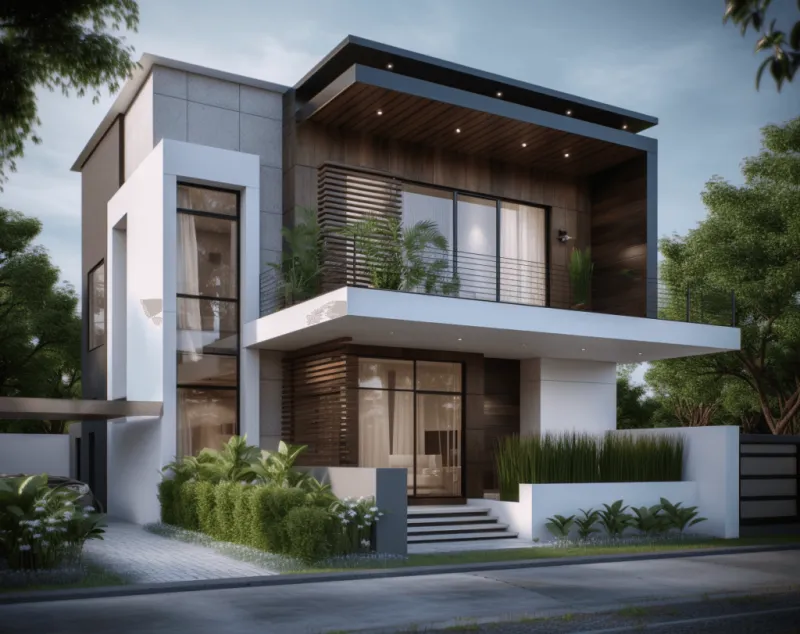
Photo: modern glass-walled waterfront meeting room overlooking a UK marina, natural daylight, empty conference table, via www.openhousedesigns.com
The environmental case for meeting by water is rarely as straightforward as the brochure suggests. A converted boathouse with floor-to-ceiling glazing can be delightful to sit in and punishing to keep cool; a harbourside hotel may stand beside a protected intertidal zone while running its plant on gas. Buyers who request a sustainability policy and receive a leaflet about bee hotels have not, in truth, carried out due diligence.
What follows is a procurement approach designed for the particular conditions of UK waterfront venues, where energy, waste, biodiversity and travel all behave a little differently from an inland conference centre.
Begin with the building's energy story
Ask what heats and cools the meeting space before you discuss anything else. The useful evidence includes the building's EPC rating, any BREEAM or SKA assessment covering the fit-out, whether the plant runs on a heat pump or a gas boiler, and whether the meeting rooms are sub-metered separately from the wider estate. Sub-metering matters: without it, neither you nor the operator can tell what a room actually consumes.
Establish who controls the set points. A venue that hands you a thermostat is telling you something different from one that keeps it locked behind a facilities desk. Agreement on 21–22°C for heating and around 24°C for cooling is reasonable and prevents the familiar standoff in which delegates open windows while the radiators continue to run.
For larger or repeat bookings, request twelve months of energy data normalised by floor area. Smaller venues may not hold it, but a willingness to go and find out is itself a useful signal.
The glass problem: comfort, cooling and the honest kilowatt
Glazed rooms are where waterfront venues earn and lose their environmental reputation. A still July afternoon can drive cooling loads that dwarf the rest of the day's consumption, and an evening reception can leave every light burning over an empty terrace.
The questions worth asking are specific. What is the glazing specification, and is there solar control or a low-emissivity coating? Are there external blinds or brise-soleil, or only internal blinds that trap heat once it has already entered? Are the blinds automated, or does someone have to remember? Can the room be cross-ventilated in spring and autumn, and is that an option delegates are allowed to use?
Then consider lighting. Are the fittings LED, are they on occupancy or daylight sensors, and what is the policy on exterior illumination after dark? Lighting spilling over water has ecological consequences as well as an energy cost.
Catering and waste: the parts you can genuinely specify
Food and drink are among the few areas where a buyer can change outcomes on the day rather than merely ask about them.
Ask how the menu is built: seasonal UK produce, a plant-forward default rather than a vegetarian option bolted on, and milk alternatives that are not charged as a premium. Ask where food waste goes and who collects it. Anaerobic digestion and composting are credible answers; "it goes in the general waste" is at least an honest one, and gives you something to negotiate.
Segregation is worth testing in detail. A venue with three bins in the delegate area may still send mixed recycling to a materials recovery facility that rejects half of it. Request the waste carrier's registration and, if the operator is willing, the transfer notes for a recent collection.
Single-use items are straightforward to remove by agreement: water in jugs and refill stations rather than bottles on tables, glassware rather than disposable cups, reusable signage rather than foamex board, and delegate information by QR code or email. For overnight offsites, ask about linen and towel reuse policies and the dosing systems used by the cleaning team.
The water itself: biodiversity and site sensitivity
This is where waterfront venues diverge most sharply from their inland counterparts. Many sit within or beside a Site of Special Scientific Interest, a Special Protection Area, a Ramsar site or a Marine Conservation Zone, and the quality of the operator's environmental management is a legitimate procurement question.
Ask whether the venue holds an environmental management plan, and whether it has a working relationship with the relevant harbour authority and with the Environment Agency, Natural Resources Wales, SEPA or NIEA as appropriate. Then move to the practicalities: how exterior lighting is shielded to limit spill over the water; how jetties and pontoons are maintained and antifouled; whether hull cleaning follows biosecurity guidance on invasive non-native species; whether nesting birds on structures are surveyed before maintenance works; and how the banks, reed beds and planting are managed.
If your programme involves anything on the water — a RIB transfer, paddleboarding, a guided foreshore walk — insist on a biosecurity briefing and check-clean-dry protocols for equipment. Avoid scheduling noisy activity during nesting or overwintering periods on designated sites, and be led by the venue's own conservation advice rather than by what looks good in a photograph.
Travel is usually the largest line in the carbon budget
Getting delegates to a remote estuary venue by car can outweigh the building's operational footprint many times over. Test the alternatives honestly rather than aspirationally: how far is the nearest station, does the venue run a shuttle, do the ferry timetables actually work for a 09:30 start, and is there secure cycle parking with showers?
On electric vehicles, ask how many charge points exist, at what speed, and whether they can be reserved for delegates. Post-event, request arrival-mode data so the figure can be reported rather than estimated. Building a thirty-minute arrival window instead of a hard start is a small design choice that makes public transport viable.
Questions to put in writing before you sign
- Can we see the EPC and any BREEAM or SKA documentation for the building and fit-out?
- Is the meeting space sub-metered, and will you share consumption data after our event?
- What is the heating and cooling source, and who sets the temperatures?
- What is the glazing specification, and are blinds automated?
- Where does food waste go, and who is the waste contractor?
- Can single-use plastics be excluded from our room and our refreshment breaks?
- Is the site within or adjacent to a statutory nature conservation designation?
- What is your exterior lighting policy after dark?
- What are the realistic public transport options, and do you offer a shuttle?
- Will you provide a post-event travel survey to delegates?
Turning answers into contract terms
A short sustainability schedule attached to the booking agreement is more effective than a lengthy policy discussion. Include a commitment to share energy and waste data within a month of the event, an agreed set-point range, the exclusion of single-use plastics from your space, a plant-forward menu default, confirmation of the waste contractor and destinations, and permission to survey delegates on travel. Buyers subject to UK Streamlined Energy and Carbon Reporting will find that data does double duty.
Judgement, not purity
Many waterfront venues are small, historic or physically constrained; a listed boathouse will never reach EPC A, and demanding otherwise wastes everyone's time. The fair test is candour and trajectory. Does the operator know their numbers? Do they have a plan, however modest? Will they share what they have and improve what they can?
A venue that answers "we don't currently measure that, but we will look into it and come back to you" is frequently a better bet than one with a polished sustainability page and no meter readings behind it. The tide, after all, moves gradually — and procurement works best when it pushes in the same direction.