The Room That Casts Off: Specifying a Boat as Your UK Meeting Space
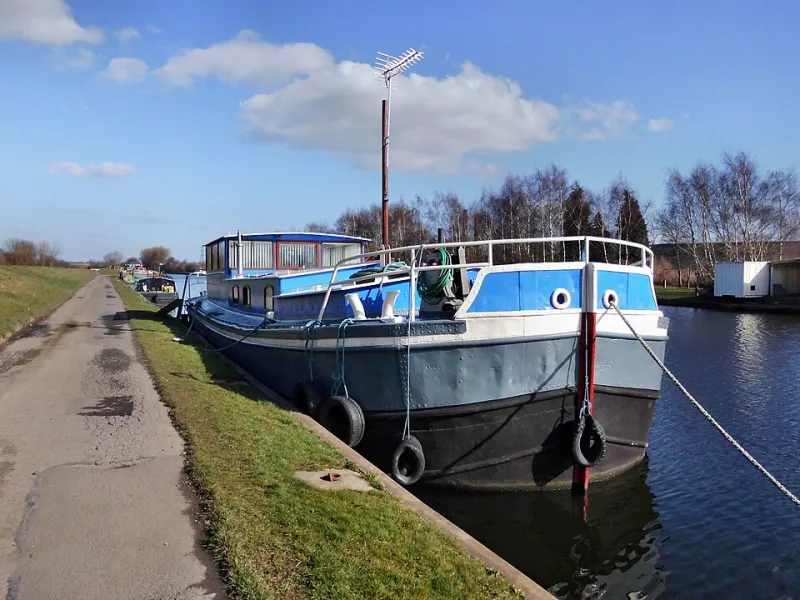
Photo: derek dye , CC BY-SA 2.0, via Wikimedia Commons
Most waterside venues treat the water as a backdrop. A smaller and more distinctive category makes the vessel itself the meeting room: converted barges, river cruisers, historic ships and motor yachts that are hired for the day rather than used merely as transport to a shoreside facility. The appeal is obvious. The procurement task is less obvious, because a boat is not a conventional room that happens to float. It is a certified passenger environment with fixed furniture, limited power, weather-dependent operations and a safety regime that must be built into the agenda.
Begin with the vessel class, not the view
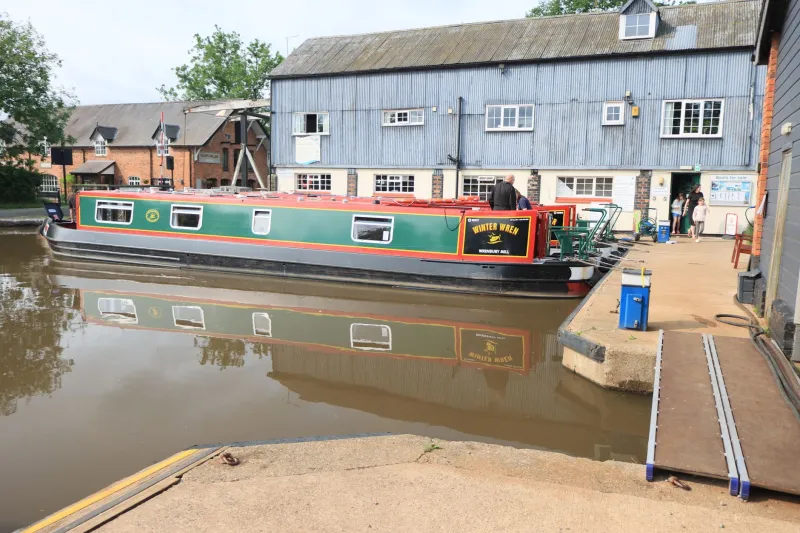
Converted barges tend to offer character and a domestic scale, often suiting board meetings and small senior gatherings. River cruisers provide more formal seating and greater capacity, though layouts can be long and linear. Historic ships bring atmosphere but frequently impose low beams, narrow companionways and protected interiors. Motor yachts may offer polished saloons but limited space for breakout groups.
Ask each operator to distinguish between maximum passenger capacity and comfortable meeting capacity. A vessel licensed for sixty passengers may seat only twenty at tables, and fewer still in a boardroom layout. Request a measured deck plan showing fixed furniture, columns, ceiling heights, door widths, screen positions and escape routes. Photographs from a recent corporate event are useful, but they should be supported by dimensions rather than atmosphere alone.
Capacity, layout and the problem of fixed furniture
Boat saloons are often long and narrow. A U-shape that works in a hotel suite may be impossible on board, and a theatre layout may leave delegates at the rear with restricted sightlines. Confirm where the screen can stand, whether blackout is available and how sunlight will fall across the room during the session. On historic vessels, check headroom and access to decks before planning any standing presentation or group photograph.
Breakout space is usually the first constraint to appear. If the agenda requires parallel sessions, either choose a larger vessel with separate cabins or accept a single-track programme with shore-side breakout space before boarding. For boards and executive teams, a single well-shaped table in a quiet saloon is often more effective than a larger boat with an awkward arrangement.
Power, data and the limits of a marine supply
Do not assume that a boat can support a full AV rig, multiple laptops and a coffee machine without warning. Ask whether power is drawn from shore supply or an onboard generator, and request the available load for meeting use. Confirm socket types, cable routes and whether an uninterruptible power supply can be provided for critical equipment. Bring adapters, but do not rely on them as the only plan.
Connectivity is the other common weak point. Inland waterways may have patchy mobile coverage, and wired internet is uncommon on smaller vessels. Ask for a recent speed test at the intended berth or route, not a general claim about coverage. For hybrid meetings, specify upload as well as download capacity, a backup bonded router or secondary network, and a named technical contact on board. If the vessel moves, test the connection while it is moving.
Catering when the galley is small
Some vessels have working galleys; others rely on food prepared ashore and loaded before departure. Ask which model applies and how hot food will be held, served and cleared without disrupting the meeting. Allergen information should be confirmed in writing, and dietary requirements should be gathered well in advance. Multi-course lunches can be impractical in a small saloon; a buffet, afternoon tea or packed lunch may suit the space better.
Confirm whether alcohol is licensed and whether service is included in the hire fee. Also ask about water, tea and coffee provision, waste removal and the time needed for catering staff to set up and clear away. If the vessel cannot cater to the required standard, consider a shoreside lunch within walking distance rather than compromising the meeting room itself.
Weather, motion and the itinerary
Even a moored vessel can move with tide, wind or passing traffic. For sensitive discussions, a static berth may be preferable to a cruise. If the boat will move, ask about the route, duration, tide windows and river conditions. Build buffer time into the timetable and confirm the operator’s policy for high wind, fog, flood warnings or closure of a lock.
The contract should state what happens if the vessel cannot operate: whether an alternative room is provided, whether the booking can be rescheduled and how refunds are handled. Have a land-based fallback identified before the day. If delegates are prone to motion sickness, choose calm inland waterways or a moored vessel, and make sure there is easy access to an open deck and fresh air.
Access, embarkation and safety
Accessibility deserves early attention. Step-free boarding is rare, and gangways can become steep as tides change. Ask for an access statement covering ramps, handrails, gradients, toilet dimensions and the route from the nearest drop-off point. A site visit is strongly advisable for any delegate with reduced mobility, and the operator should confirm crew assistance arrangements in advance.
A safety briefing is mandatory and should be scheduled rather than squeezed into the margins. Delegates need to know about muster points, life jackets, evacuation routes and who is in charge. Confirm crew ratios, insurance and certification, and ensure the briefing is included in the published agenda so that speakers and attendees arrive on time.
Briefing speakers and hybrid participants
Speakers should be told that the room may move, that the lectern may be fixed and that pacing is limited. Microphone technique matters more than usual because engine noise and air conditioning can intrude. A rehearsal on board is preferable to a rehearsal in a hotel the previous evening.
Remote participants need clear joining instructions, a named moderator and an explanation of why the room may sound different from a conventional studio. Share slides in advance, enable captions where possible and test the hybrid link during the safety briefing. If the session is recorded, confirm consent and check where the cameras are fixed; handheld filming on a moving vessel rarely produces a stable result.
The procurement checklist
Before signing, request the vessel’s certification and passenger capacity, a measured deck plan, power and connectivity details, the catering plan, the weather and cancellation policy, the access statement, the safety briefing arrangements, insurance details and a named on-board contact. Visit the vessel if possible, and confirm arrival instructions, berthing location and the procedure for late delegates.
A boat can be an excellent meeting room: memorable, focused and genuinely different from a hotel suite. It works best when it is specified as a venue with real constraints, not booked as a novelty. The water supplies the character; the checklist supplies the confidence.