When the Water Turns: A Contingency Plan for Rain, Wind and Tide at Waterside Offsites
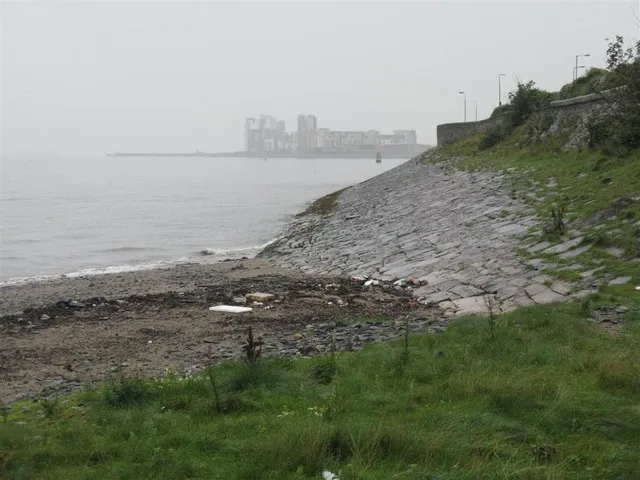
Photo: M J Richardson, CC BY-SA 2.0, via Wikimedia Commons
Waterfront venues sell a certain kind of day: air, light and a view that lifts the room. They also introduce variables that inland meeting rooms never have to consider. As UK organisers plan autumn and winter offsites for 2026 and early 2027, the difference between a polished waterside event and a costly disappointment is rarely the venue itself. It is the contingency plan behind it.
A river can be calm at 8am and running high by mid-afternoon. A terrace can be pleasant at coffee and unusable by lunch. A glass-fronted room can feel generous in winter sun and unbearable when low cloud turns the view into glare. The practical response is not to avoid the waterfront. It is to plan for the water as a live operational factor.
Start with a decision framework, not a hunch
Every waterside offsite should have a named weather lead. This is usually the event manager, supported by the venue's operations contact. Their task is not to become an amateur forecaster but to run a simple three-stage framework: monitor, activate and abort.
Monitor means checking the Met Office forecast and any relevant warnings, the Environment Agency flood alerts and warnings in England, SEPA alerts in Scotland, and Natural Resources Wales information where applicable. For coastal or tidal venues, add the local tide table and harbour authority notices. For riverside venues, add river level gauges and any towpath or access-road closures. The point is to use official sources and the venue's local knowledge together, not to rely on a generic weather app.
Activate means moving from outdoor or semi-outdoor elements to the agreed indoor alternative. Abort means cancelling or postponing outdoor activity, or in extreme cases changing the date. The thresholds should be agreed in advance with the venue and written into the event plan.
The decision timeline before the day
A useful rhythm for a UK autumn or winter offsite is as follows.
- T-minus 14 days: Review the long-range forecast only as a trend, not a promise. Confirm the venue's postponement and cancellation windows, identify the fallback room and check that it is genuinely available, not merely assumed. Confirm how the venue will communicate a closure of a terrace, pontoon or riverside path.
- T-minus 7 days: The weather lead begins a daily check. Confirm a provisional hold on the fallback space if the contract allows. Send delegates initial travel advice, including rail disruption and parking information.
- T-minus 48 hours: Decide whether any outdoor sessions should move indoors as a precaution. Confirm AV, seating and catering in the fallback room. Check that signage and delegate packs reflect the change.
- T-minus 24 hours: Final go or no-go for outdoor elements. Confirm the room set, cloakroom capacity and arrival arrangements. Issue a clear delegate update with one point of contact.
- T-minus 6 hours: The venue walks the route: entrance, car park, towpath, terrace, pontoon and any external doors. The organiser checks signage, umbrellas, temporary flooring and lighting.
- On the day: Reassess at each break. Do not reopen a terrace or pontoon because the rain has stopped until the venue has confirmed it is safe.
Book the room behind the room
A fallback space is not simply a room with the same capacity. It needs the same working conditions. Check AV, natural light, blinds, acoustic separation, power, accessibility, catering access, toilets and breakout space. If the main attraction is a glass-fronted room with a view, identify an interior room with controlled light and reliable heating. If the programme depends on workshops, confirm that the fallback can be split, not just seated theatre-style.
Ask the venue two direct questions. First, is the fallback included in the hire fee or chargeable if activated? Second, who decides when an outdoor area is closed for safety, and how quickly can the room be reset? The answers belong in the contract, not in a verbal reassurance.
The specific risks of pontoons, terraces and glass
Pontoons and waterside decks deserve particular attention. Wet decking becomes slippery, mooring lines become trip hazards, and wind can make temporary furniture or signage unsafe. Check capacity limits, life-saving equipment, lighting and the condition of handrails. If delegates will board a boat, confirm the operator's weather policy and whether the booking can be moved rather than cancelled.
Terraces bring their own issues: wind lifting furniture, patio heaters, smoking areas, noise spill into meeting rooms, and rain blowing through doors. A venue may close a terrace without much notice. That is the right decision for safety, but it needs a plan for where 40 people will take coffee.
Glass-fronted rooms are often the reason organisers choose a waterside venue, but they are not neutral spaces. Winter sun can cause glare on screens; condensation and driving rain can obscure the view; storm noise can affect recordings. Ask about blinds, solar shading, HVAC and whether the room can be divided from the view when a presentation needs full attention.
River and coastal access also matters. Flooded car parks, closed towpaths and taxi drop-off points can strand a group even when the building itself is dry. Ask the venue which routes they expect to remain open and identify a secondary arrival point.
Communications that keep delegates calm
Delegate communications should be clear, early and consistent. Use one channel for updates and one named contact. Avoid multiple WhatsApp groups unless someone is responsible for each. A short update is better than a long explanation: what has changed, what delegates need to do, and where they should go.
Include practical advice in the joining instructions: footwear for wet walkways, a waterproof layer, and a warning not to travel if official warnings advise against it. For international or long-distance delegates, explain rail alternatives and local taxi arrangements. If the event is hybrid, confirm how the online audience will be told about any room change.
Contract terms worth negotiating now
Weather clauses should be specific. A generic force majeure clause rarely helps with a closed terrace or a cancelled boat trip. Ask what happens if the venue closes an outdoor area, if a river path is flooded, or if a named space becomes unavailable. Confirm whether the venue will relocate the meeting within the building, whether that relocation is chargeable, and how minimum numbers apply if delegates cannot travel.
Check cancellation and postponement deadlines, deposit treatment, and whether the venue will hold a postponement date. For suppliers such as boat operators, AV companies and outdoor activity providers, confirm their own weather policies. Insurance should be discussed early, not after the forecast turns.
A UK autumn and winter checklist
- Confirm the weather lead and the monitor-activate-abort thresholds.
- Save links to Met Office warnings, flood alerts, tide tables and river gauges.
- Identify a fallback room with equivalent AV and breakout capacity.
- Agree who can close terraces, pontoons and riverside paths.
- Walk the arrival route in wet weather, not just in sunshine.
- Confirm cloakroom capacity, temporary flooring and signage.
- Prepare delegate messages for move, delay and cancellation.
- Check supplier weather clauses and postponement windows.
- Keep a printed contact list in case mobile signals are poor.
A waterside offsite does not need to be a gamble. It needs a plan that treats tide, wind and rain as part of the programme. When the water turns, the organisers who have already decided what happens next are the ones who keep the meeting on course.