What the Water Adds: A Budget Case for Waterside Meeting Space
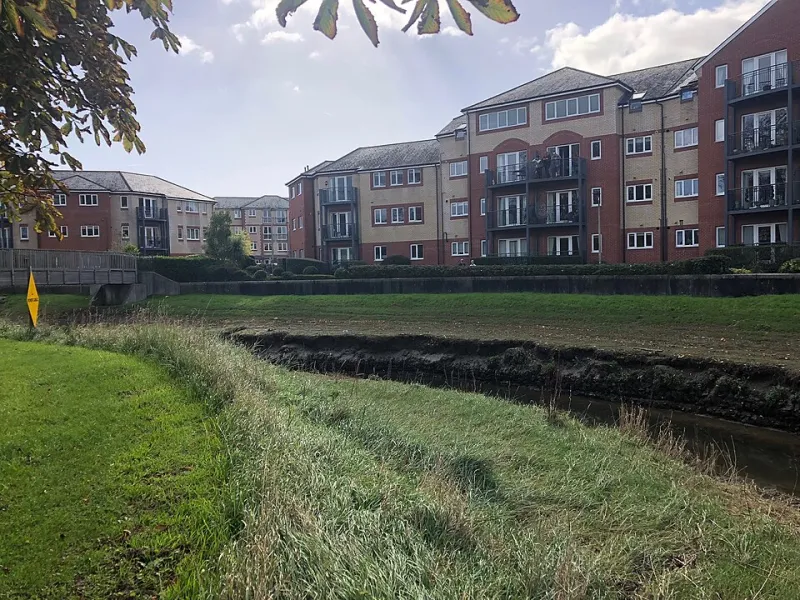
Photo: Noah Drury , CC BY-SA 2.0, via Wikimedia Commons
Waterfront meeting rooms come with a premium, and organisers are right to interrogate it. The question for 2026 is not whether a waterside address looks better in the invitation. It is whether the extra spend buys a measurably better meeting. Our view is that the premium is justified only when the water supports the purpose of the day; otherwise it is scenery with a line item.
What the premium actually covers
Quotes for waterside rooms often sit above comparable inland space, though the gap varies by city, season and exclusivity. The difference is rarely just the view. It may reflect scarce supply in a regenerated dock, higher service ratios, outdoor space, a dedicated events team, AV included, or a food and beverage minimum. Some venues also price in the risk of weather disruption, conservation restrictions and limited loading access. Before comparing totals, ask what is bundled and what is excluded.
A like-for-like budget test
Build two columns: inland and waterfront. Include room hire, AV, catering, service charge, breakouts, arrival and departure transfers, parking, contingency space, accessibility provision and cancellation terms. Add the cost of time: a remote dock with a poor station link can add 45 minutes each way and a taxi bill. If the venue requires a ferry or a tide-dependent path, include a fallback transfer. The headline room rate is often the least interesting number.
A fair comparison also separates fixed from variable costs. A waterfront venue may waive room hire against a minimum spend, which looks generous until the minimum is set above the group's realistic catering budget. An inland venue may charge for AV and breakout space that the waterside quote includes. Compare the total cost per attendee, not the room rate alone.
When the water earns its keep
The view does useful work when the offsite needs decompression, creative reset or client hosting. A room with daylight and a walkable waterside edge can support walking meetings, informal breakouts and a sense that the day is distinct from the office. For leadership sessions, the change of scene may improve candour. For client events, a waterfront address can carry a quiet signal of care without a formal presentation. In these cases, measure the benefit in attendance, engagement and quality of conversation, not in photographs.
When it does not
Reject the premium when the agenda is dense, the room is internal-facing, or the group will spend most of the day in a blackout for projection. A theatre-style training day with 80 delegates rarely needs a quay. Nor does a back-to-back board meeting if the water is visible only from the coffee queue. Budget pressure matters too: if the waterside premium forces cuts to facilitation, catering or accessibility support, the room is not the priority.
Negotiation points that move the number
Ask for room hire to be waived or reduced against a catering spend, particularly for off-peak weekdays and January or February dates. Request AV and a technician in the package. Confirm whether an adjacent breakout room can be held on standby for wet weather or privacy. Ask about arrival drinks on the terrace, parking allowances and inclusive transfer from the nearest station. For multi-day bookings, seek a reduced day rate and flexible cancellation. A venue that will not discuss any of these may be pricing on location alone.
Measuring return
Set a small evaluation frame before the event. Track cost per attendee against an inland alternative, attendance and punctuality, session feedback, number of actions agreed, and follow-up conversion if relevant. Ask delegates whether the setting helped them think or collaborate, and record specific examples. If the water is part of the programme, note how it was used: a walk, a breakout, a client reception. If nobody mentions the setting, the premium is probably not earning its keep.
A simple decision rule
There are three questions worth asking before signing. First, will the group actually see and use the water during the working day? Second, does the waterside setting improve a specific outcome, such as focus, wellbeing or client relationships? Third, can the premium be absorbed without weakening the programme? Two yes answers make a strong case. One yes answer calls for negotiation. No yes answers suggest an inland room with better transport and a stronger lunch budget.
The practical verdict
A waterfront room is worth the premium when the water is part of the meeting design, not a substitute for one. In 2026, organisers should treat the waterside element as a line item with a purpose. Pay for it when it improves access, wellbeing, focus or client experience. Decline it when it adds cost and complexity without changing the day.