Half a Day, Full Intent: The Case for Short Waterside Meetings
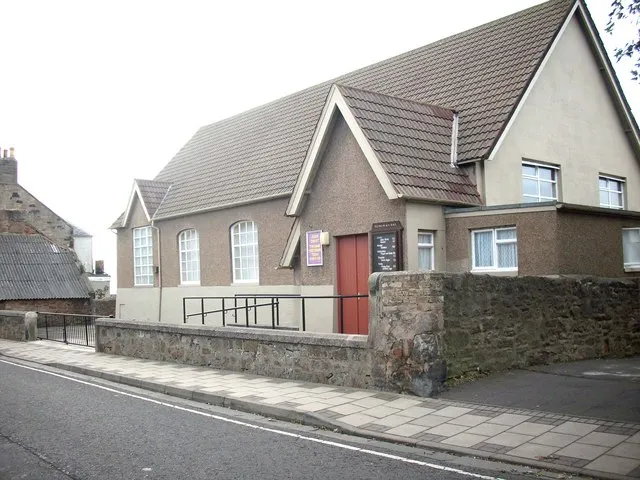
Photo: james denham, CC BY-SA 2.0, via Wikimedia Commons
A waterfront room is often booked as an occasion in itself. The view is persuasive, the address is memorable, and the journey feels like an investment. Yet many teams do not need a full day to achieve what they came for. A half-day by the water can be more disciplined, more affordable and more attentive to delegate time — provided the organiser treats the short format as a design constraint rather than a compromise.
Begin with the threshold, not the view
Before shortlisting venues, establish the minimum viable duration for the meeting. Most UK waterside venues offer half-day or session rates, but the definition varies. Some count a half-day as four hours, others as five, and several include arrival and set-up within the hire period. Ask specifically when the room is available, when access is granted and whether overruns are charged in increments. A late-afternoon slot can be excellent value, but confirm that the venue will not begin clearing neighbouring spaces while your final session is still running.
A useful test is to subtract the fixed costs from the available time. If delegates need thirty minutes to arrive and settle, fifteen minutes to clear the room and twenty minutes for a comfort break, a four-hour booking yields nearer three hours of work. That is still ample for a focused session, but it should shape the agenda from the outset.
Put the travel window into the plan
The journey is part of the meeting. For a half-day event, it can easily consume as much time as the session itself. Choose venues that sit within a short walk of a railway station, tram stop or ferry pier, and publish the walking route in advance. Avoid a nine o'clock start for delegates travelling from another region; a ten-thirty arrival followed by an eleven o'clock start often produces better attendance and less anxiety than an early train.
Late-afternoon meetings work particularly well in this format. A one o'clock arrival, a two o'clock start and a five-thirty close allows most UK delegates to travel home the same evening without stretching the working day unduly. In winter, check daylight: a room that depends on its view will feel different at four o'clock in December than at two o'clock in June. If the waterfront is central to the agenda, schedule the outdoor or window-based element early.
Cater for the shorter day
A half-day booking does not need a three-course lunch. It needs refreshments that keep people working. Ask the venue for a compact package: arrival coffee, a working lunch or substantial afternoon refreshments, and water available throughout. Buffet service near the room is usually more efficient than a seated meal in another part of the building. Confirm dietary requirements in advance and check whether the catering cut-off time falls before your final break.
Alcohol is rarely appropriate for a meeting that ends with a train home. If the venue includes a drinks reception in its half-day package, ask for it to be removed or replaced with something lighter. The aim is to keep the day sharp, not to recreate the atmosphere of a full-day conference.
Design three movements, not five
Short meetings fail when they attempt a full-day agenda. Reduce the number of items and give each one room to breathe. A reliable structure has three movements: arrival and context, a working session with a clear question, and a close that records decisions and next steps. The water should serve one purposeful moment rather than decorate the whole day. A ten-minute walk along the quay before the working session, or a facilitated discussion held facing the window, can do more than a lengthy boat trip that eats into the timetable.
Build in a buffer before the close. Delegates need time to gather belongings, exchange contact details and leave without missing a connection. A meeting that ends abruptly because the room hire has expired undoes much of the good work that preceded it.
Specify the room for focus
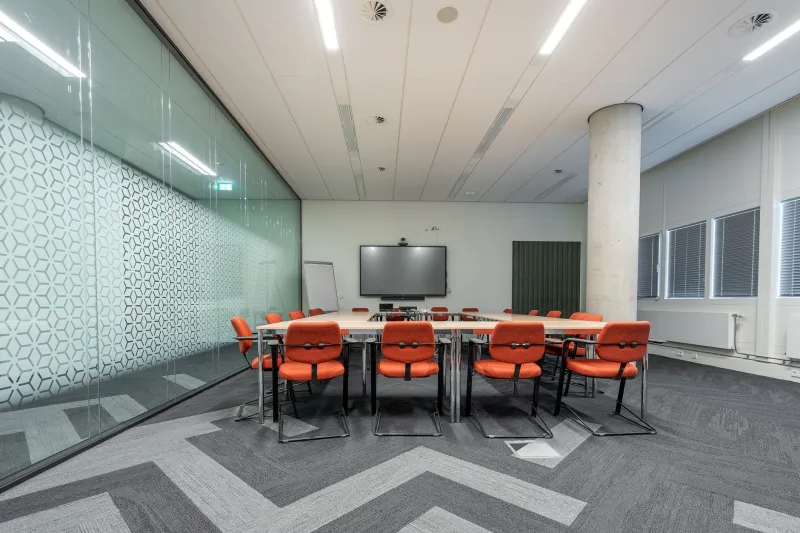
A short meeting cannot rely on novelty to carry it. Check the essentials: natural light, acoustics, table configuration and technology. Ask for a floor plan and confirm that the view is visible from the seats, not only from the standing position by the window. A room that requires a long tour or a complicated change of layout will consume the time you have saved. For hybrid sessions, test the camera and microphone in advance; a half-day format leaves little room for technical recovery.
Make the budget case honestly
A half-day hire can reduce venue costs, but it does not reduce travel costs. The case for the shorter format rests on delegate time and focus, not on the illusion that a waterside meeting is cheap. Compare the half-day rate with the full-day rate, including catering, AV and any minimum spend. If the saving is modest, ask whether a longer booking would serve the team better. If the saving is substantial, say so in the approval note and explain what the team will do with the time returned to them.
A short checklist before signing
Confirm the minimum hire period, access and set-up times, catering cut-off, cancellation terms, AV support and the latest possible finishing time. Check the travel window for the furthest delegate and the daylight available for any outdoor element. Agree who will manage the room handover and what happens if the meeting overruns. These details are not glamorous, but they are what allow a half-day by the water to feel deliberate rather than rushed.
A compact waterside meeting earns its journey when the format is honest about time. The water supplies a change of perspective; the agenda supplies the reason to be there. Keep both in view, and half a day can be enough.